NONGQAIPolice & Defence History of South Africa
DONATE

All Articles


306 articles match your filters

1904 - 1907 Marego (Kalahari)

The Ferreira Raid: North Western Cape Colony: November 1906

This article explains how the Ferreira Raid in November 1906 reflected tensions between the British, Boers and Germans after the South African War. It describes the raid, the Cape Mounted Police response, the trial, and the claim that the episode was a quixotic rehearsal for the 1914 Afrikaner rebellion.

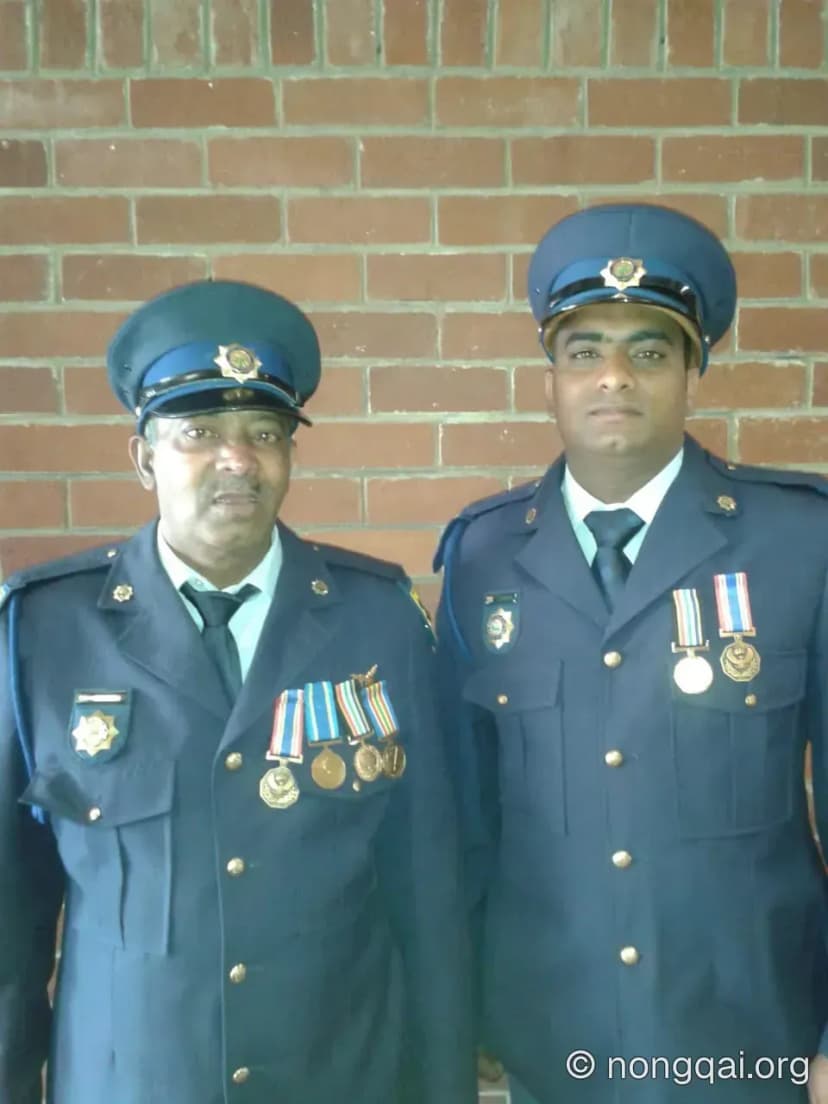
KRIMINELE DADE DEUR OFFISIERE VAN SAPD
SAPS Corruption / SAPD Korrupsie

KRIMINELE DADE DEUR OFFISIERE VAN SAPD

A police force’s greatest danger is not the criminal outside the gate, but the policeman who opens it from within.

The ZARPS and Bergendal
Anglo Boer War

The ZARPS and Bergendal

The ZARPs, turned mounted infantry, held the exposed koppie at Bergendal with exceptional discipline under hours of British shelling. Their stand, praised even by Arthur Conan Doyle, broke Botha’s line and marked the end of conventional warfare in the Anglo‑Boer War.

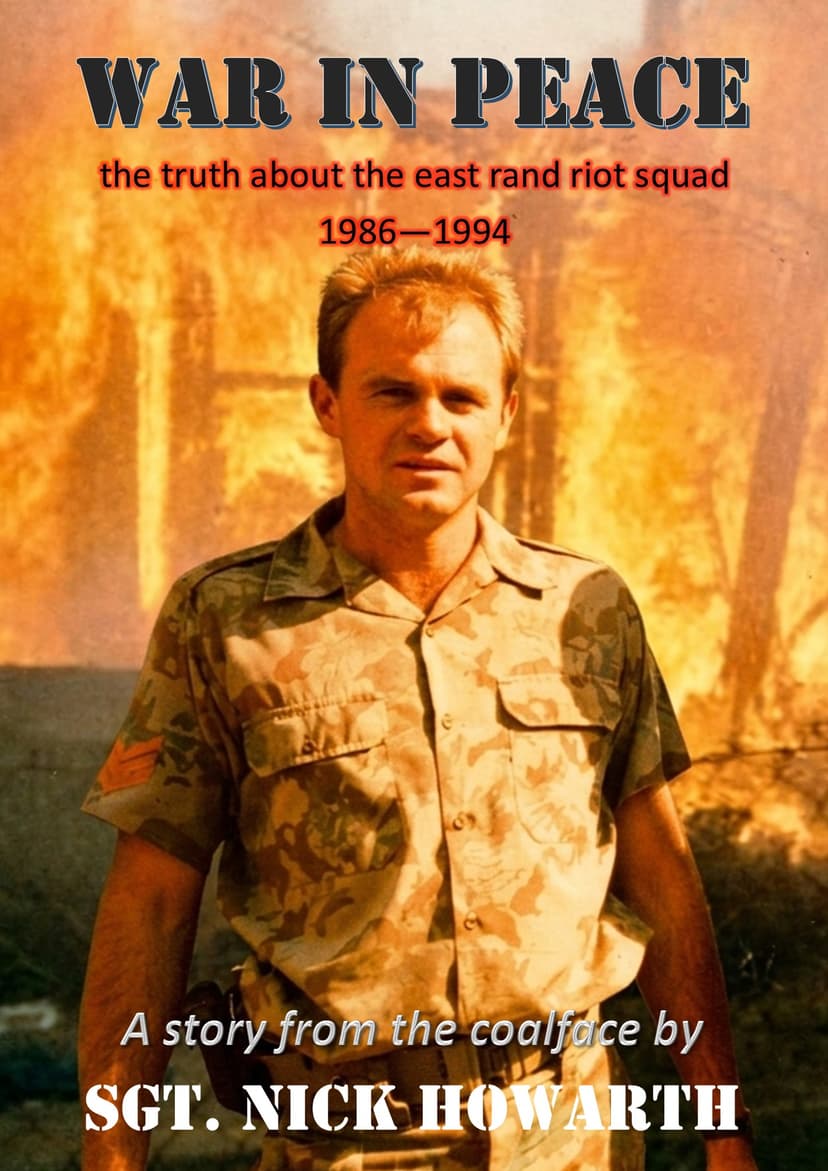
War in Peace: ISU East Rand
1976 Onwards - Riots

War in Peace: ISU East Rand

War in Peace: The Truth About the South African Police’s East Rand Riot Unit, 1986–1994 is a firsthand account of policing during one of the most volatile periods in South African history. It describes the experiences of the East Rand Riot Unit and the Internal Stability Division during the final years of apartheid and the transition to democracy.

Bush War

1 SWA Spes

This article describes the South West Africa Territorial Force’s 1 SWA Specialist Unit (1 SWASpes), a unique counter-insurgency unit during the Border War. It says the unit combined horse-mounted infantry, motorcycles, trackers and specialized dogs, and was formed in 1977 at Oshivelo.

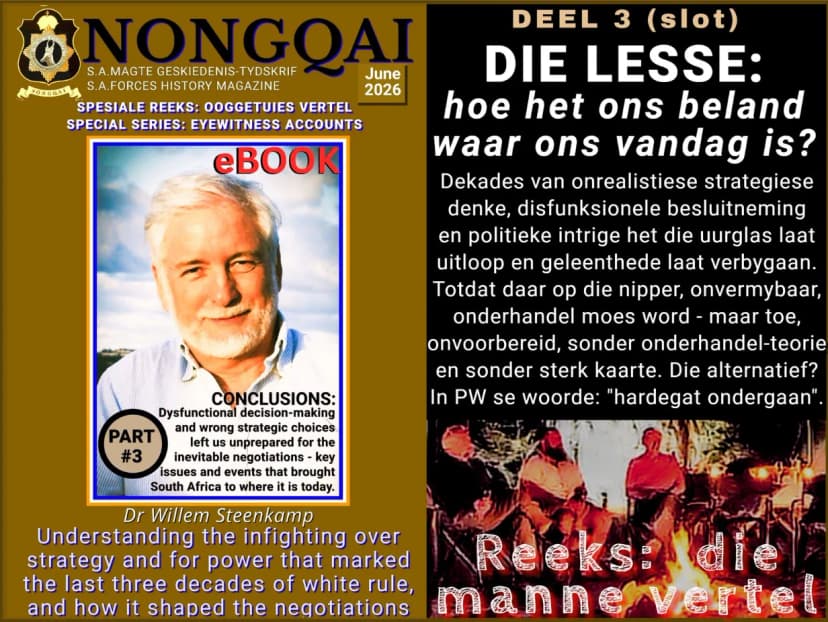
South Africa's Transition What Really Happened and WHY
SAP History / Geskiedenis

South Africa's Transition What Really Happened and WHY

This foreword introduces a comprehensive eBook by Dr Willem Steenkamp on South Africa’s negotiated transition to a non-racial democracy. It argues that the outcome was shaped less by individual weakness than by systemic dysfunction in national security decision-making, the conflict between military and political strategies, and the eventual necessity of negotiation.